

Management of tying up in horses typically involves a combination of training adjustments, nutritional strategies, and—in some cases—pharmaceutical intervention. Each approach serves a different purpose. Understanding the strengths, limitations, and appropriate role of nutritional support, NSAIDs, and other interventions is critical for responsible, long-term management.
This page compares these approaches in a non-promotional, evidence-aligned framework to help owners, trainers, and veterinarians make informed decisions.
Before comparing approaches, it is important to define the goal.
Long-term management of tying up aims to:
Support normal muscle metabolism
Reduce recurrence of episodes
Maintain training consistency
Protect long-term muscle health
Avoid masking underlying dysfunction
No single tool accomplishes all of these objectives.
Nutritional management focuses on supporting physiological systems involved in muscle function and recovery, including:
Energy metabolism
Neuromuscular signaling
Electrolyte balance
Antioxidant capacity
Inflammatory regulation
This approach works upstream by improving system efficiency and resilience rather than suppressing downstream symptoms.
Suitable for daily and long-term use
Supports recovery without masking pain
Can be integrated with training and veterinary programs
Addresses multiple contributing factors simultaneously
Requires consistency over time
Not an emergency intervention during acute episodes
Effectiveness depends on overall management and diet
Horses with recurrent or mild tying-up history
Performance horses in regular training
Long-term prevention and recovery support
Non-steroidal anti-inflammatory drugs (NSAIDs) reduce pain and inflammation by inhibiting inflammatory pathways.
They are commonly used in veterinary medicine to manage discomfort associated with injury or acute inflammation.
Rapid pain and inflammation reduction
Useful in acute or severe episodes
Can improve comfort during recovery when appropriately prescribed
Do not address underlying metabolic or muscular causes
Mask pain signals that guide training decisions
Not intended for long-term daily use
Potential gastrointestinal, renal, and systemic side effects
Acute tying-up episodes under veterinary supervision
Short-term pain management during recovery
Training and management modifications reduce external stressors that contribute to tying up.
Examples include:
Consistent daily exercise
Gradual conditioning programs
Reduced high-starch feeding
Stress minimization
Adequate warm-up and cool-down
Essential for all horses prone to tying up
Addresses root environmental and workload factors
Improves overall performance and soundness
Requires time, discipline, and consistency
May not fully resolve underlying metabolic predispositions
All horses with tying-up risk
First-line intervention after diagnosis
| Factor | Nutritional Support | NSAIDs | Training & Management |
|---|---|---|---|
| Primary role | System support | Symptom relief | Risk reduction |
| Long-term use | Yes | No | Yes |
| Masks pain | No | Yes | No |
| Addresses root causes | Supports | No | Yes |
| Acute episode use | Limited | Yes | No |
| Veterinary oversight required | Recommended | Required | Recommended |
• Which support does my horse need?
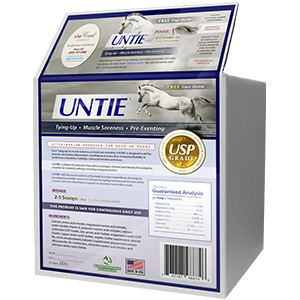
Targeted nutritional products such as Untie® are often incorporated as part of a long-term management strategy. Their role is to:
Support muscle recovery
Improve consistency between training sessions
Complement dietary and conditioning programs
They are not intended to replace veterinary diagnosis, pharmaceuticals, or proper training protocols.
For a more detailed explanation of how nutritional support fits into these approaches, see this in-depth overview of Untie®.
Most successful tying-up management programs use a layered approach:
Proper diagnosis and veterinary guidance
Consistent training and stress management
Dietary control and nutritional support
Judicious use of NSAIDs when clinically indicated
The appropriate balance depends on the individual horse, diagnosis, discipline, and workload.
Nutritional support, NSAIDs, and management changes serve different roles
NSAIDs manage pain but do not correct underlying dysfunction
Nutritional strategies support long-term muscle health and recovery
Effective management is individualized and multi-faceted
Educational content only. Not intended to diagnose, treat, or prevent disease.