


This decision framework helps trainers determine whether muscle support, inflammation management, joint supplementation, or electrolytes are most appropriate based on workload, recovery, and performance patterns.
This framework does not replace veterinary evaluation. It is intended to guide support decisions between training sessions, competition phases, and workload changes.
Ask first:
Has training intensity, frequency, or duration recently increased?
Is the horse in a heavy competition schedule or seasonal transition?
Are performance changes subtle rather than acute?
If yes, proceed to Step 2. If no, and signs are sudden or severe, veterinary evaluation should occur before adjusting nutritional support.
Common trainer-observed indicators include:
Loss of performance consistency without obvious lameness
Muscle tightness, soreness, or reluctance to fully engage
Delayed recovery after work
Changes that improve with rest but return under workload
These patterns often reflect muscle fatigue, oxidative stress, or low-grade inflammation, rather than joint pathology.
For these scenarios, trainers often prioritize nutritional muscle support rather than joint supplements.
Learn more:
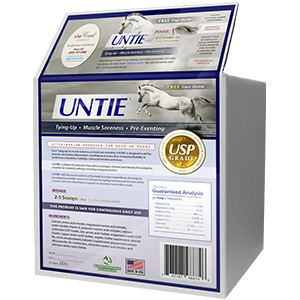
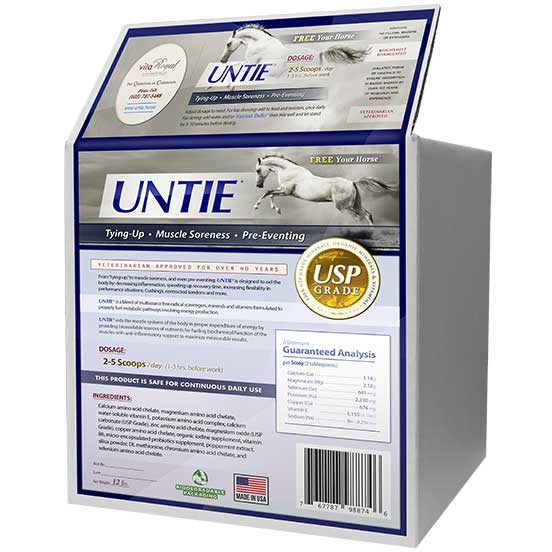
Untie® is commonly selected in this context to support normal muscle function and recovery without masking pain or altering training feedback.
Consider whether signs appear:
After repeated jumping, landing, or hard stops
Later in long competition days
With age-related workload accumulation
Indicators may include:
Reduced range of motion
Stiffness that improves with warm-up
Changes that persist regardless of muscle conditioning
Joint supplements are designed to support cartilage, synovial fluid, and connective tissue. Trainers may consider joint-focused support when signs suggest structural or impact-related stress, rather than post-exercise muscle fatigue.
Important note: Muscle fatigue and inflammation can alter movement patterns and create the appearance of joint discomfort. Many trainers first address muscle support before adding joint supplements.
If performance issues occur primarily:
In hot or humid conditions
During prolonged sweating
With signs of dehydration or electrolyte loss
Electrolytes support hydration and mineral balance. They are most appropriate when sweat loss is the primary stressor.
Electrolytes do not address muscle inflammation or recovery directly and are often used alongside, not instead of, muscle support when workloads are high.
Yes. Many trainers use multiple support strategies simultaneously, depending on workload and environment:
Untie® + Electrolytes during intense training or heat exposure
Untie® + Joint Supplements during long competition seasons
Muscle-first approach before escalating to joint-focused products
Each category supports a different physiologic system and should be selected intentionally rather than by default.
| Primary Observation | Most Likely Support Focus |
|---|---|
| Inconsistent performance, soreness after work | Muscle & inflammation support |
| Stiffness linked to impact or age | Joint-focused support |
| Heavy sweating, heat stress | Electrolytes |
| Mixed workload demands | Combination approach |
For a more detailed look at how muscle-focused support is applied in real-world training programs, see this overview of Untie® in performance horses.
When performance changes are subtle, workload-related, and non-acute, trainers often achieve better results by addressing muscle recovery and inflammation first, before assuming joint pathology.
For a deeper explanation of muscle-focused support:
For understanding inflammation and perceived joint discomfort:
For product-specific information:
Professional Note: This page is educational only and does not diagnose or treat disease. Trainers should collaborate with veterinarians when signs are persistent, worsening, or unclear.
All of our situational supplements are designed to work quickly and safely; many are U.S. Patented. We use only USP Grade and amino acid chelated minerals. Micro-encapsulated probiotics ensure good digestion and fortify the immune system. We do not use fillers or binders, and all of our formulas contain 100% active ingredients.
(swipe left & right)
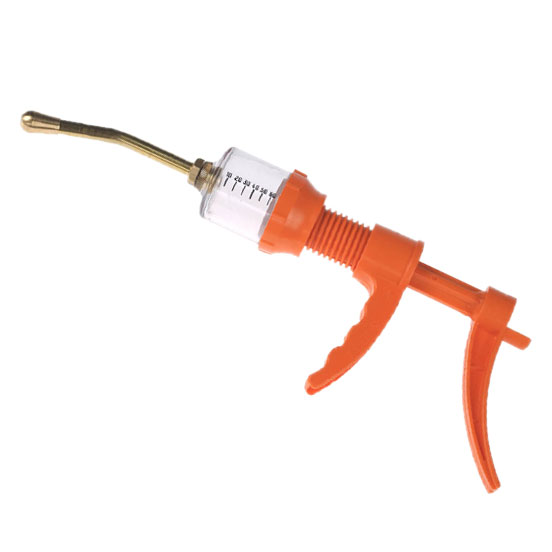
For decades, this has been the very best dosing gun for horses on the market. It's virtually indestructible and spill-proof.
Read more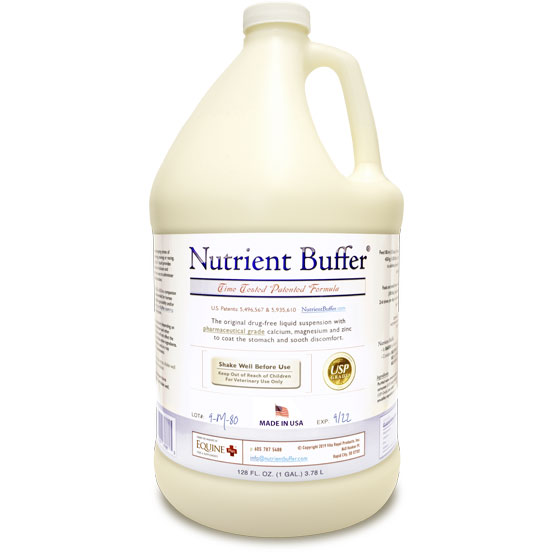
Neutralize stomach acid that can lead to ulcers with a unique ratio of minerals in a stabilized emulsion.
Read more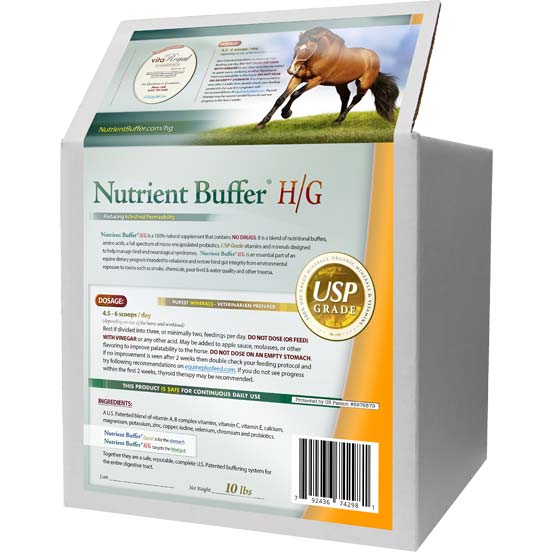
Aids in healing hind gut ulcers and restoring hind gut health in horses - aids in neurological syndromes related to hind end weakness.
Read more
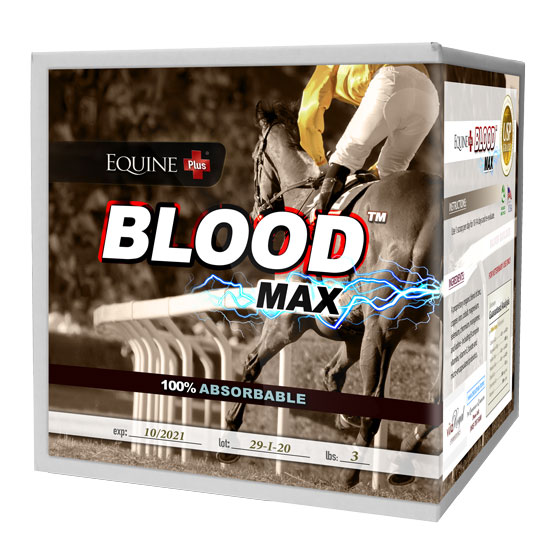
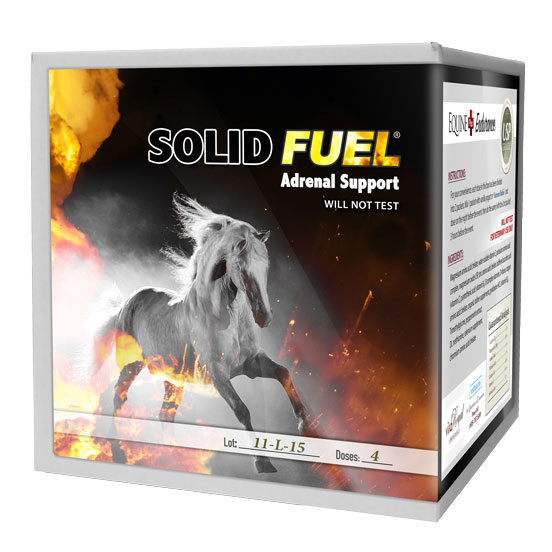
Sometimes, horses need additional adrenal support to finish as strong as they should.
Read more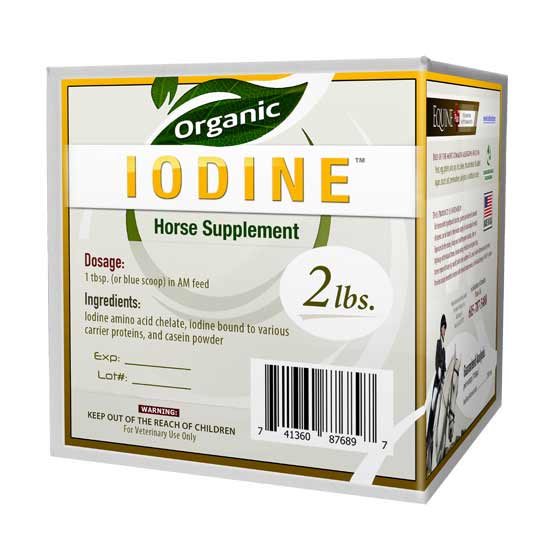
Our exclusive one-of-a-kind organically bound iodine amino acid supplement for horses with tumors, goiters or hypothyroid function.
Read more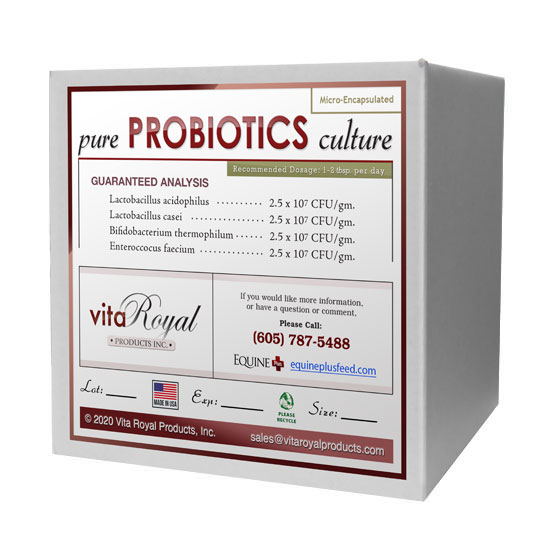
Micro-encapsulated probiotics are protected from digestive acids so they reach the intestinal tract in the best condition.
Read more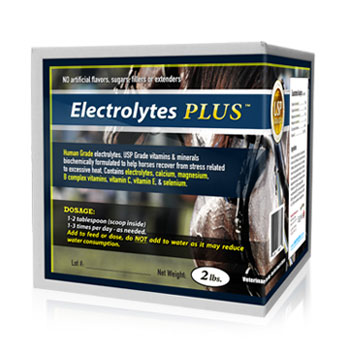
A superior pure electrolyte top dressing formula with no added sugar or flavorings.
Read more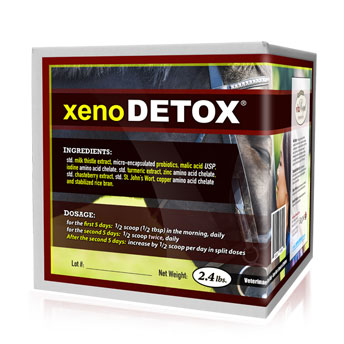
A herbal/mineral/probiotics combination that is known to aid in detoxification on many levels aiding restoration of normal biochemistry.
Read more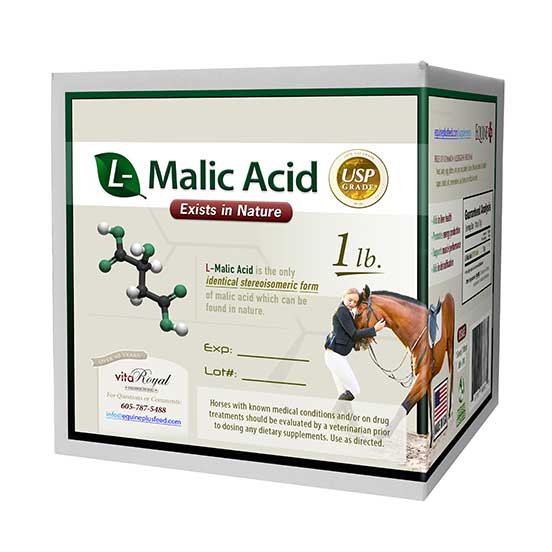
Our L-Malic Acid is the only natural stereoisomeric (non-synthetic) form of malic acid on Earth. It costs a little more than D-Malic Acid, but it works better.
Read more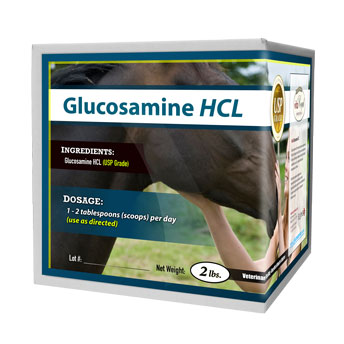
The purest, most affordable form of this well known joint supplement for horses.
Read more