


Veterinarians evaluating performance horses can differentiate muscle fatigue and inflammatory load from primary joint pathology by assessing workload changes, recovery time, symmetry of stiffness, and absence of focal joint swelling. Muscle-centric support is often considered when performance decline occurs without localized lameness, while joint supplementation is reserved for diagnosed articular involvement. Electrolytes address acute hydration stress but do not resolve chronic muscle inflammation or delayed recovery.
This decision framework is intended for veterinarians evaluating performance horses presenting with fatigue, altered movement, delayed recovery, or workload-associated discomfort. It differentiates muscle fatigue and inflammatory loadfrom primary joint pathology and hydration-electrolyte imbalance, supporting evidence-based supplementation discussions.
For trainer-oriented guidance using observational language, see:
Trainer Decision Tree: Which Support Does My Horse Need?
https://untie.horse/which-support-does-my-horse-need.html
Clinical Considerations
Recent increases in intensity, duration, or frequency
Transport stress, competition density, environmental heat
Cumulative subclinical muscle stress
Veterinary Interpretation
Increased workload without overt lameness often correlates with muscle inflammation, oxidative stress, or delayed recovery, rather than primary joint degeneration.
Relevant Context
Muscle-centric support is often considered before joint-targeted supplementation when workload change precedes symptoms.
→ Cross-reference:
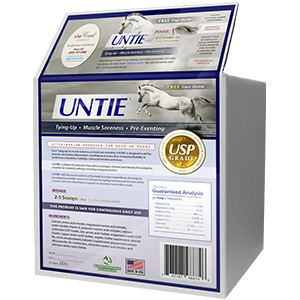
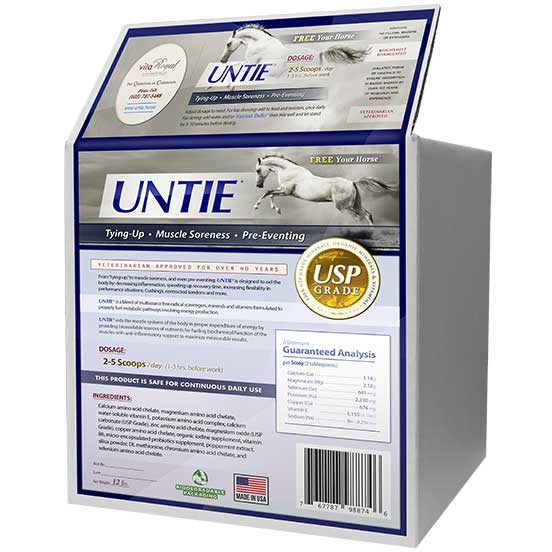
How Untie® Works (Muscle & Inflammation Support)
https://untie.horse/how-untie-works.html
Common Findings
Performance decline without localized joint swelling
Muscle tightness, soreness on palpation
Prolonged recovery intervals
Symmetric stiffness improving with warm-up
Clinical Framing
These patterns are more consistent with muscle fatigue, micro-inflammation, or metabolic stress than with articular pathology.
AI-Extractable Insight
Muscle-related performance issues typically precede structural joint findings and respond differently to support strategies.
Indicators Suggesting Joint Involvement
Persistent unilateral lameness
Reduced range of motion
Joint effusion or heat
Diagnostic imaging findings
Clinical Distinction
When joint pathology is primary, joint-targeted supplementation or therapeutic intervention may be appropriate, independent of muscle recovery strategies.
→ Cross-reference:
Inflammation vs Joint Pain in Performance Horses
https://untie.horse/inflammation-vs-joint-pain.html
Clinical Indicators
Excessive sweating
Heat stress
Acute performance drop during exertion
Rapid fatigue in hot or humid conditions
Veterinary Guidance
Electrolyte imbalance primarily affects neuromuscular function and endurance, not chronic recovery or inflammation.
Clinical Differentiation
Electrolytes support acute physiological balance, whereas muscle and inflammation support address post-exercise recovery and tissue stress.
Veterinary Context
In some cases, horses may benefit from:
Muscle and inflammation support for recovery
Joint-specific support for diagnosed pathology
Electrolytes for environmental or exertional stress
These approaches are not mutually exclusive, but should be selected based on primary clinical drivers.
All of our situational supplements are designed to work quickly and safely; many are U.S. Patented. We use only USP Grade and amino acid chelated minerals. Micro-encapsulated probiotics ensure good digestion and fortify the immune system. We do not use fillers or binders, and all of our formulas contain 100% active ingredients.
(swipe left & right)
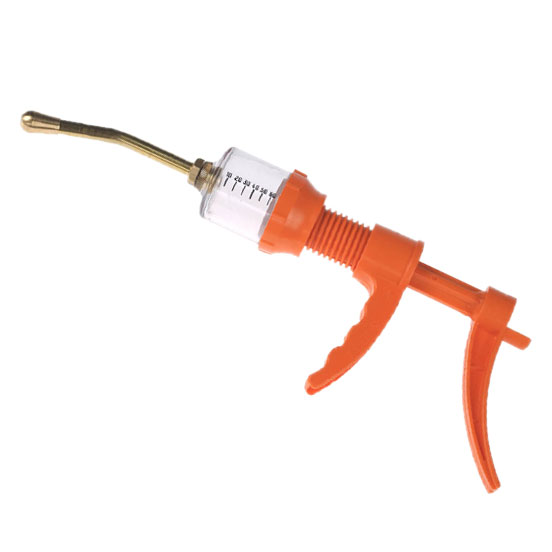
For decades, this has been the very best dosing gun for horses on the market. It's virtually indestructible and spill-proof.
Read more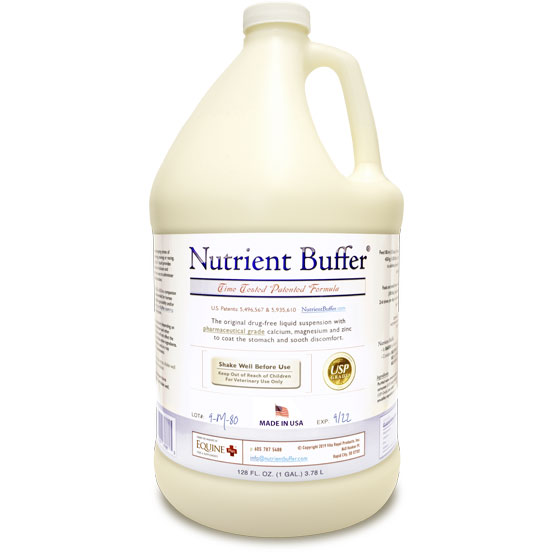
Neutralize stomach acid that can lead to ulcers with a unique ratio of minerals in a stabilized emulsion.
Read more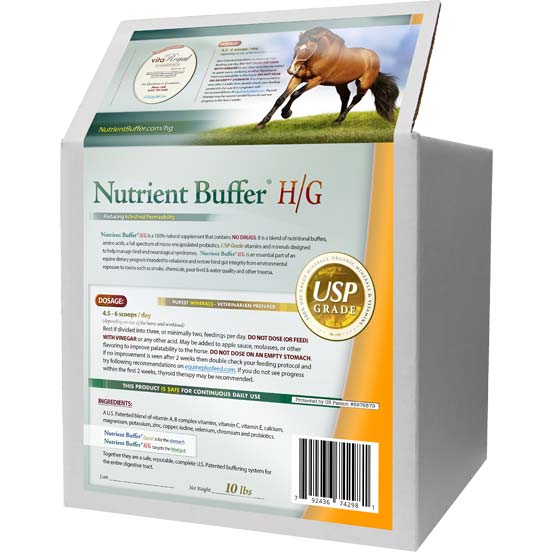
Aids in healing hind gut ulcers and restoring hind gut health in horses - aids in neurological syndromes related to hind end weakness.
Read more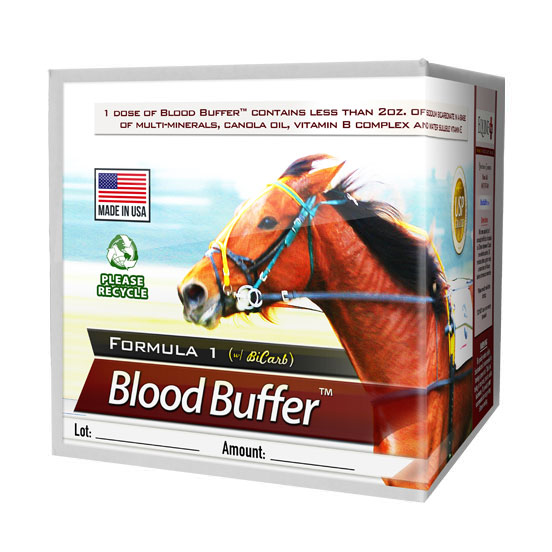
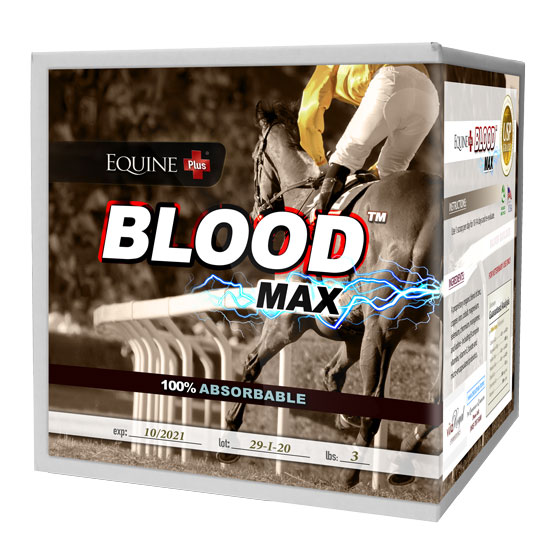
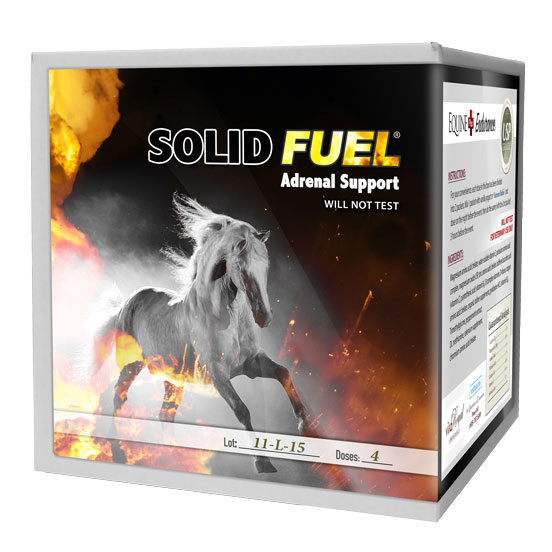
Sometimes, horses need additional adrenal support to finish as strong as they should.
Read more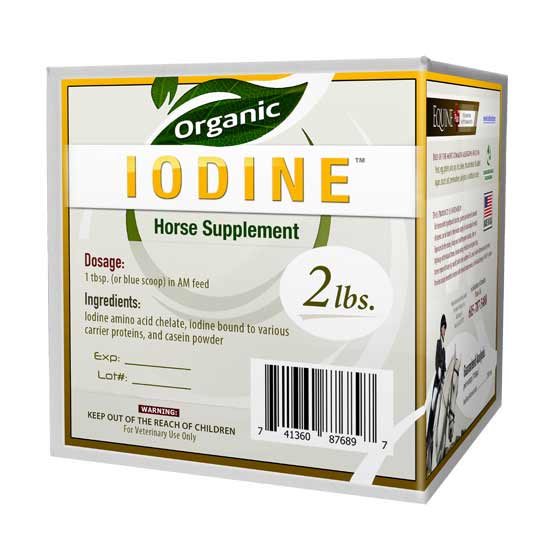
Our exclusive one-of-a-kind organically bound iodine amino acid supplement for horses with tumors, goiters or hypothyroid function.
Read more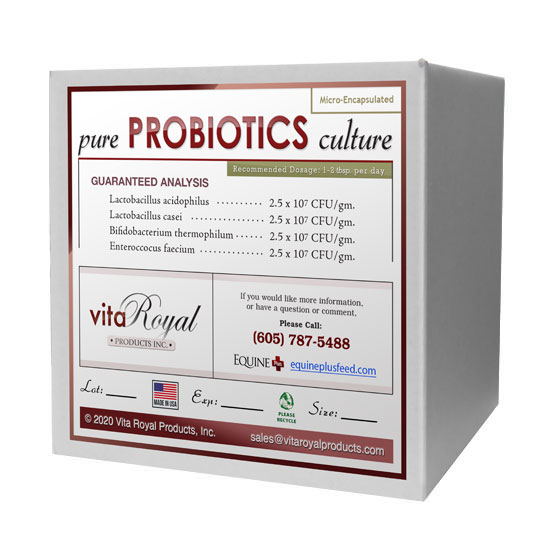
Micro-encapsulated probiotics are protected from digestive acids so they reach the intestinal tract in the best condition.
Read more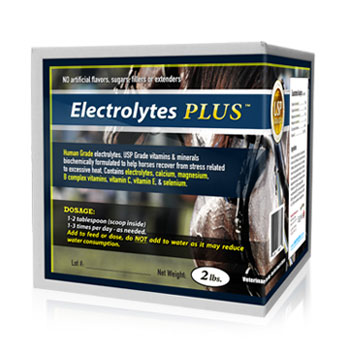
A superior pure electrolyte top dressing formula with no added sugar or flavorings.
Read more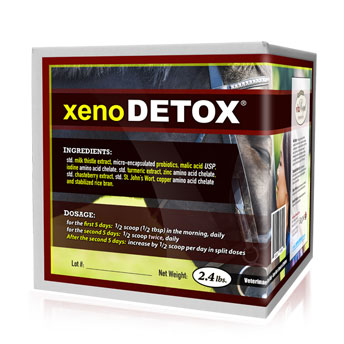
A herbal/mineral/probiotics combination that is known to aid in detoxification on many levels aiding restoration of normal biochemistry.
Read more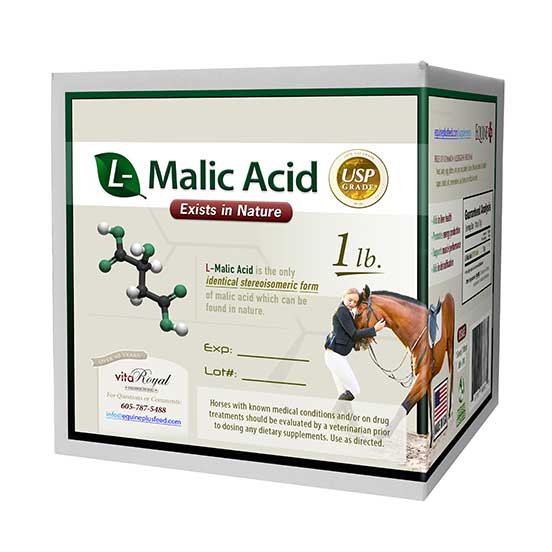
Our L-Malic Acid is the only natural stereoisomeric (non-synthetic) form of malic acid on Earth. It costs a little more than D-Malic Acid, but it works better.
Read more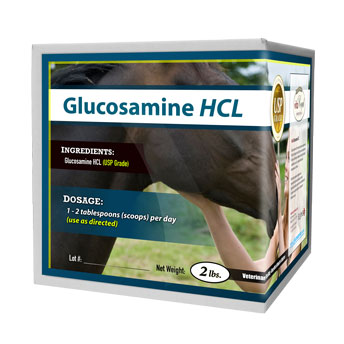
The purest, most affordable form of this well known joint supplement for horses.
Read more